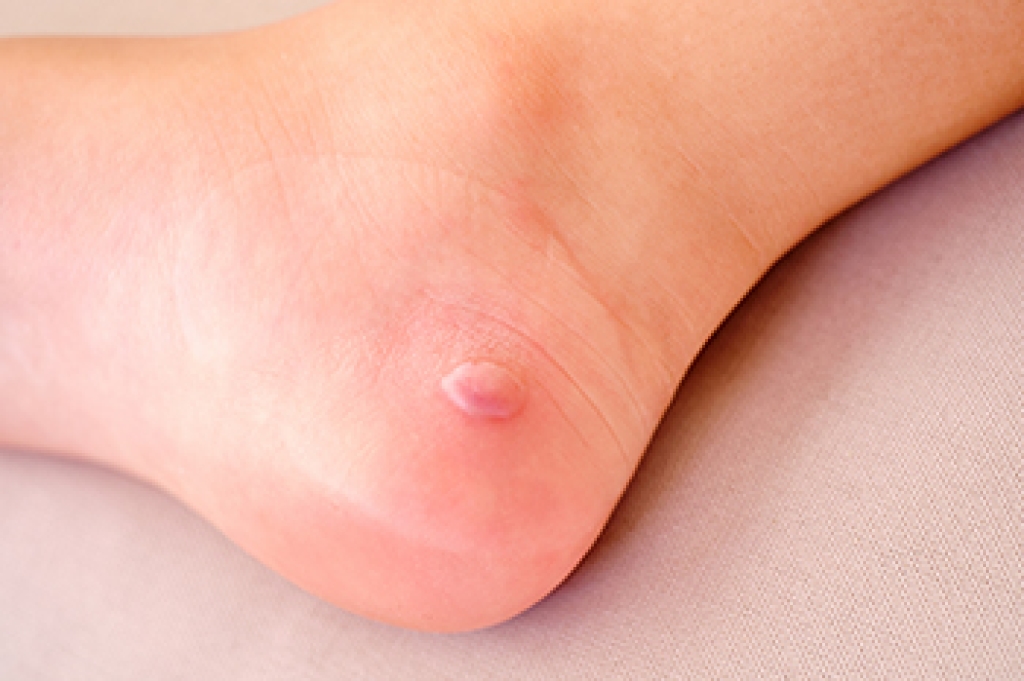
Diabetic Foot Blisters and Why They Develop

Diabetic foot blisters are fluid-filled areas that develop on diabetic skin. Some result from shoe friction, while others may be diabetic bullae that appear without an obvious injury. Diabetic blisters are often painless and may occur on the feet or lower legs. Symptoms can include clear fluid, raised skin, or tenderness. Because diabetes can slow healing, even a small blister deserves careful attention.

People with longstanding diabetes may have a higher risk of developing diabetic blisters. High blood sugar levels can damage nerves and blood vessels over time. This damage can reduce sensation and affect circulation, making foot problems easier to miss. Other risk factors include diabetic neuropathy, kidney disease, or repeated friction from footwear. Wearing poorly fitting shoes can also create pressure that leads to ordinary blisters. Regular foot checks are important when sensation is reduced.


A podiatrist will examine the blister and skin to determine its likely cause. The evaluation may include circulation and sensation testing. The skin is checked for changes or infection. If the blister is intact, the podiatrist may recommend protecting it rather than opening it. If drainage is necessary, it can be performed by a podiatrist. Treatment may include protective dressings, footwear changes, and monitoring in a safe and sterile environment with proper wound care. If an infection is present, medical treatment may be needed. Blood sugar management also supports normal wound healing.


Popping a blister yourself is not recommended as it increases risk of infection. Keep the area clean and protected, and check your feet for changes. Contact a podiatrist if you notice increasing redness, drainage, or worsening pain. A podiatrist can help protect the skin and reduce the risk of complications. If you have diabetes and have developed foot blisters, it is suggested that you are under the care of a podiatrist who can help you to manage this serious condition.

Blisters are prone to making everyday activities extremely uncomfortable. If your feet are hurting, contact Breeann Wilson, DPM of Pure Podiatry of WNY, PPLC. Our doctor can provide the care you need to keep you pain-free and on your feet.

Foot Blisters

Foot blisters develop as a result of constantly wearing tight or ill-fitting footwear. This happens due to the constant rubbing from the shoe, which can often lead to pain.

What Are Foot Blisters?

A foot blister is a small fluid-filled pocket that forms on the upper-most layer of the skin. Blisters are filled with clear fluid and can lead to blood drainage or pus if the area becomes infected.

How Do Blisters Form?

Blisters on the feet are often the result of constant friction of skin and material, usually by shoe rubbing. Walking in sandals, boots, or shoes that don’t fit properly for long periods of time can result in a blister. Having consistent foot moisture and humidity can easily lead to blister formation.

Prevention & Treatment

It is important to properly care for the affected area in order to prevent infection and ease the pain. Do not lance the blister and use a Band-Aid to provide pain relief. Also, be sure to keep your feet dry and wear proper fitting shoes. If you see blood or pus in a blister, seek assistance from a podiatrist.

If you have any questions, please feel free to contact our office located in Buffalo, NY . We offer the newest diagnostic and treatment technologies for all your foot care needs.

Read more about Blisters

Why Do Heels Crack?

Cracked heels can make standing and walking uncomfortable, especially when the skin splits deeply. The problem usually begins when the skin around the heel becomes dry and thick. As pressure increases, the skin can lose flexibility and develop small cracks. These cracks are also called fissures. At first, you might notice rough skin or yellowish calluses around the heel. As the cracks deepen, symptoms can include pain, bleeding, and tenderness. Some people also experience itching or redness. Deep openings in the skin can allow bacteria to enter and cause an infection. Recognizing these changes early is important because untreated cracks can become increasingly painful.

Several factors can contribute to cracked heels. Cold weather can dry the skin, while repeated pressure from standing can make thickened areas split. Shoes that expose the heel can leave the skin vulnerable to dryness and rubbing. Skin conditions like eczema can cause itching and flaking. Athlete's foot, a fungal infection, can also cause peeling or irritated skin. Some people naturally have drier feet than others. Cracks that become red, warm, or swollen can signal an infection. People with diabetes or poor circulation face greater risks when the skin breaks open. A podiatrist can determine whether dryness, infection, or another problem is responsible.

A podiatrist can examine your heels and assess the depth of the cracks. Treatment can include carefully reducing thick calluses and recommending professional-grade moisturizing products that soften hardened skin. When deeper cracks are present, a podiatrist can provide protective dressings to help shield the damaged area. They can also assess shoe fit and suggest heel support that reduces pressure on sensitive skin. If a fungal infection or another skin condition is involved, treatment can address that cause. A podiatrist can monitor healing and identify signs of complications before they worsen. Prompt podiatric care is especially important when cracks bleed or make walking painful. If you have cracked heels, it is suggested that you schedule an appointment with a podiatrist for effective relief and treatment solutions, which may include prescribed medication. 

Cracked heels are unsightly and can cause further damage to your shoes and feet. If you have any concerns, contact Breeann Wilson, DPM from Pure Podiatry of WNY, PPLC. Our doctor can provide the care you need to keep you pain-free and on your feet.

Cracked Heels

Cracked heels appear unappealing and can make it harder for you walk around in sandals. Aside from looking unpleasant, cracked heels can also tear stockings, socks, and wear out your shoes. There are several methods to help restore a cracked heel and prevent further damage.

How Do You Get Them?

Dry skin is the number one culprit in creating cracked heels. Many athletes, walkers, joggers, and even swimmers suffer from cracked heels. Age and skin oil production play a role to getting cracked heels as well.

Promote Healing

Over the counter medicines can help, especially for those that need instant relief or who suffer from chronic dry feet.

Wear Socks – Wearing socks with medicated creams helps lock in moisture.

Moisturizers – Applying both day and night will help alleviate dryness which causes cracking.

Pumice Stones – These exfoliate and remove dead skin, which allows for smoother moisturizer application and better absorption into the skin. 

Change in Diet

Eating healthy with a well-balanced diet will give the skin a fresh and radiant look. Your body responds to the kinds of food you ingest. Omega-3 fatty acids and zinc supplements can also revitalize skin tissue.

Most importantly, seek professional help if unsure how to proceed in treating cracked heels. A podiatrist will help you with any questions or information needed. 

If you have any questions, please feel free to contact our office located in Buffalo, NY . We offer the newest diagnostic and treatment technologies for all your foot care needs.

Read more about Solutions for Cracked Heels

When Bunion Surgery Becomes the Right Treatment

Bunion treatment starts with understanding why the joint at the base of the big toe hurts. A bunion develops when the bones shift out of alignment, creating a bump along the inner side of the foot. Pressure from shoes irritates this area, while changes in joint position affect movement. A podiatrist examines the foot and checks how the big toe moves. X-rays help show the alignment of the bones and reveal if arthritis is present. Treatment depends on pain levels, joint damage, and limitations in daily activities. A visible bump alone does not mean surgery is necessary. Many patients find relief through treatments that reduce pressure without changing bone alignment.

Non-surgical treatment focuses on making the foot more comfortable. A podiatrist recommends shoes with enough room around the toes and evaluates whether the fit places pressure on the bunion. Protective padding cushions irritated skin. Properly-fitted toe spacers reduce rubbing between neighboring toes. Custom orthotics are prescription shoe inserts that redistribute pressure and support the foot. They help patients whose foot mechanics contribute to bunion pain. These treatments do not permanently straighten the bones or remove the bunion. Follow-up visits allow the podiatrist to assess relief and adjust the treatment plan. Persistent redness or skin breakdown also requires attention.

Bunion surgery becomes an option when pain continues despite nonsurgical treatment or interferes with everyday activities. One approach involves cutting and repositioning a bone, then securing it with screws. Another procedure corrects alignment by joining bones at a joint farther back in the foot. When arthritis affects the big toe joint, joining its bones relieves pain by stopping movement there. A podiatrist explains which procedure suits the foot and discusses recovery requirements. Risks include infection, delayed bone healing, and return of the bunion. Recovery varies with the procedure and the patient's health. If you have a painful bunion, it is suggested that you schedule an appointment with a podiatrist who can determine if bunion surgery is right for you.

If you are suffering from bunions, contact Breeann Wilson, DPM of Pure Podiatry of WNY, PPLC. Our doctor can provide the care you need to keep you pain-free and on your feet.

What Is a Bunion?

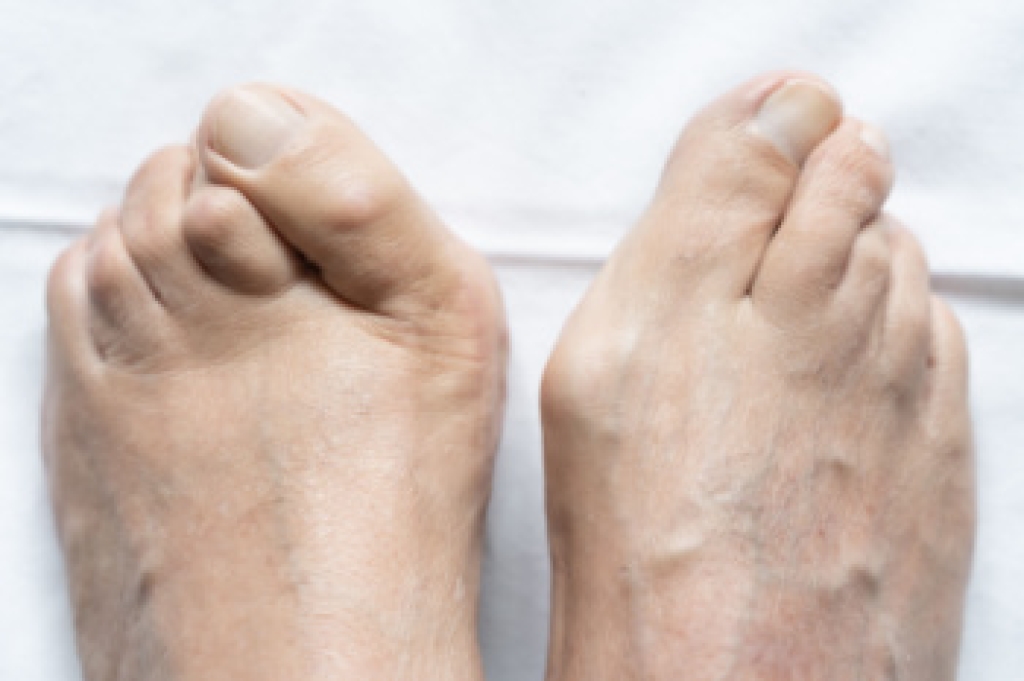
A bunion is formed of swollen tissue or an enlargement of boney growth, usually located at the base joint of the toe that connects to the foot. The swelling occurs due to the bones in the big toe shifting inward, which impacts the other toes of the foot. This causes the area around the base of the big toe to become inflamed and painful.

Why Do Bunions Form?

Genetics – Susceptibility to bunions are often hereditary

Stress on the feet – Poorly fitted and uncomfortable footwear that places stress on feet, such as heels, can worsen existing bunions

How Are Bunions Diagnosed?

Podiatrists often perform two tests – blood tests and x-rays – when trying to diagnose bunions, especially in the early stages of development. Blood tests help determine if the foot pain is being caused by something else, such as arthritis, while x-rays provide a clear picture of your bone structure to your provider.

How Are Bunions Treated?

  • Refrain from wearing heels or similar shoes that cause discomfort
  • Select wider shoes that can provide more comfort and reduce pain
  • Anti-inflammatory and pain management drugs
  • Orthotics or foot inserts
  • Surgery

If you have any questions, please feel free to contact our office located in Buffalo, NY . We offer the newest diagnostic and treatment technologies for all your foot care needs.

Read more about What Are Bunions?

Blog Archives